From a high school in Nepal to a structural testing lab in Texas.
I was in high school when a 7.8 magnitude earthquake struck Nepal on April 25, 2015, killing nearly 9,000 people. In the aftermath, every conversation was about structures. Why did they collapse? Who designed them? Could they have been built to survive? I made up my mind. I would understand how structures fail, and how to make sure they don't.
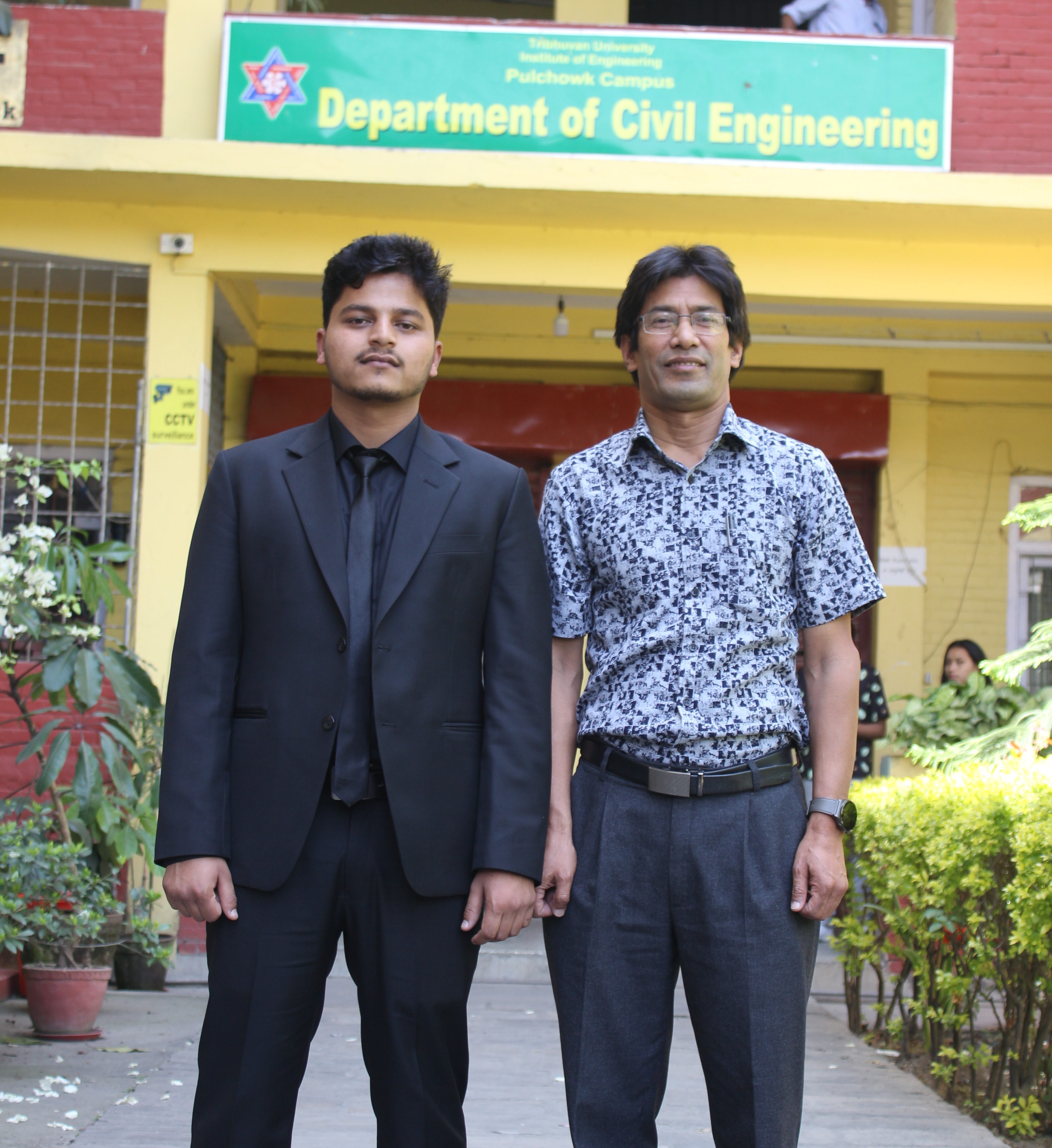
Determined to pursue that path, I sat for the IOE entrance examination and ranked 71st out of over 13,000 candidates. I earned admission to Pulchowk Campus, the top engineering institution in Nepal, on a full four-year merit-based scholarship.
Four years at Pulchowk Campus shaped how I think about structures. The curriculum was rigorous, the resources were limited, and that combination forced us to understand fundamentals deeply before ever touching software.
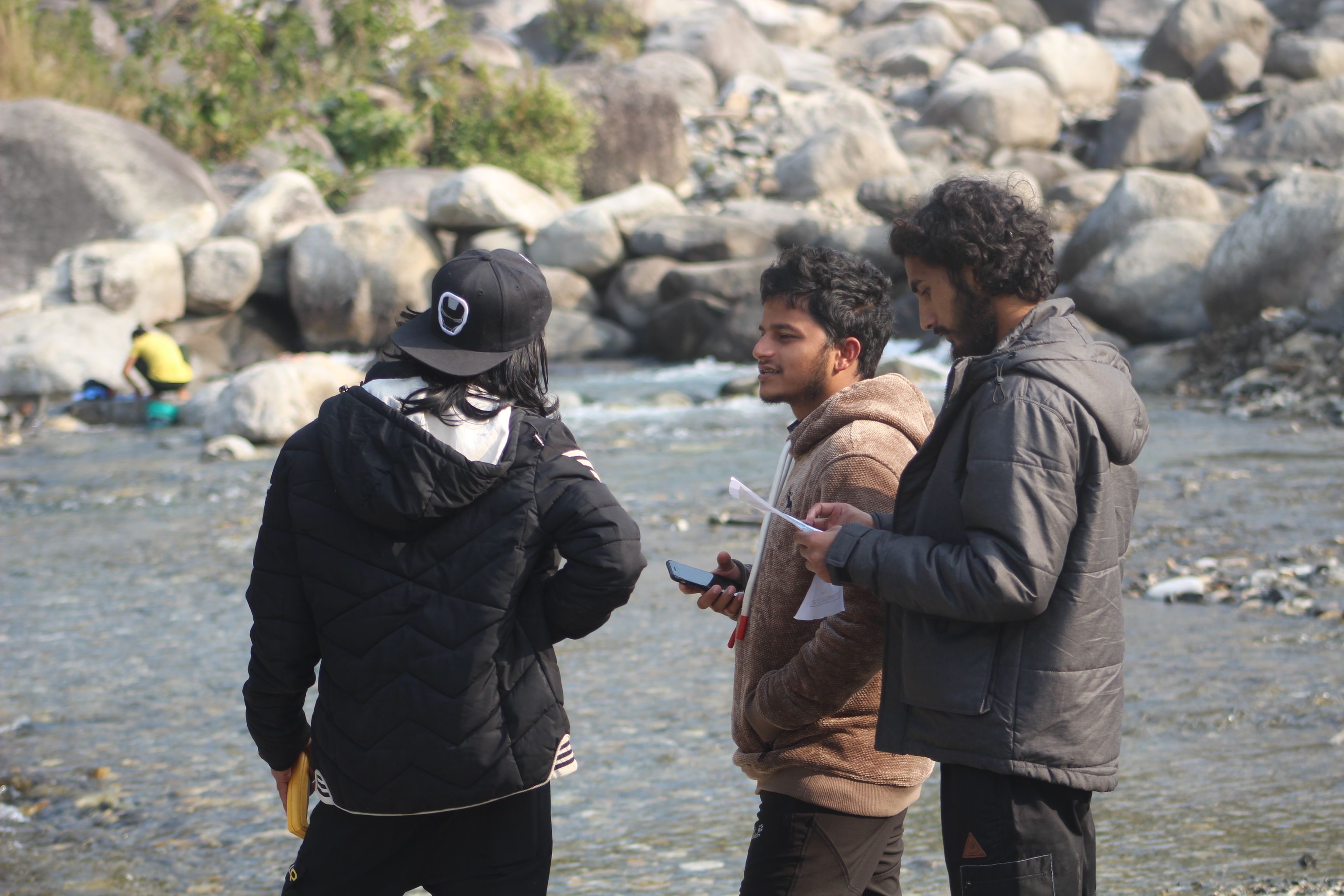
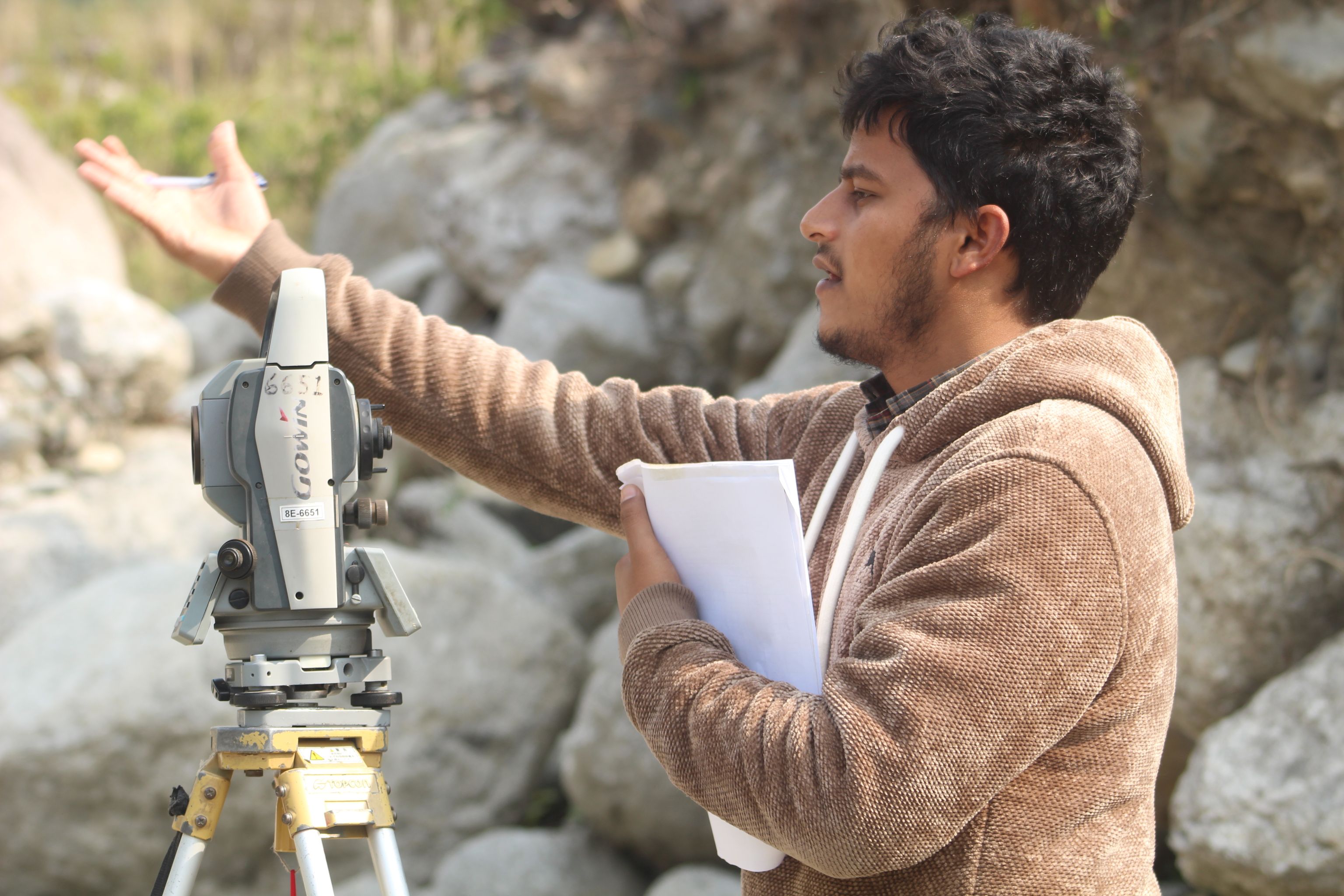
My capstone project was the design of a reinforced concrete bridge over a river in rural Nepal. We surveyed the site ourselves, profiled the river channel, and designed the structure from scratch. It was the first time I worked on a bridge, and it confirmed what the earthquake had already told me: this is what I want to do.
I graduated with a Bachelor of Civil Engineering in 2022.
After graduating from Pulchowk and working as a civil engineer in Nepal, I wanted to go deeper into bridge engineering. Not just design them from a code book, but understand the actual behavior of the materials and systems that hold them together.
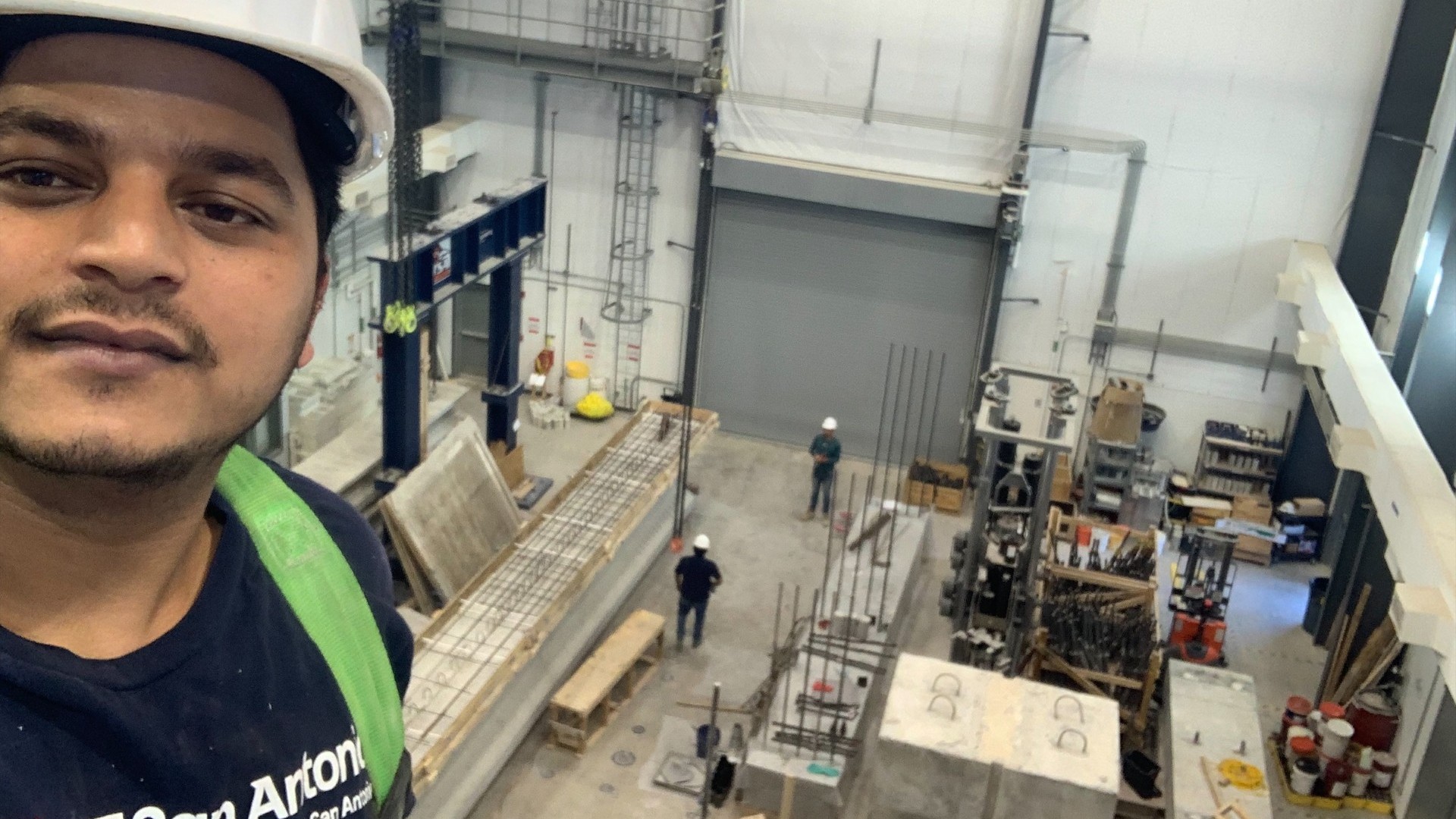
That question brought me to UT San Antonio, where I joined a TxDOT-funded research program evaluating 300 ksi prestressing strands for pretensioned concrete bridge girders. What started as curiosity about how bridges fail became a full-time pursuit: instrumenting, casting, loading, and breaking full-scale girders at the Large-Scale Testing Lab.
My childhood, no exaggeration. The first book found me at 11 — I read it, watched the film, then started the loop that never closed. Same age as Harry, growing up the same years he did, which meant his world and mine ran on parallel tracks. So I'll own it: somewhere in me, an 11-year-old is still waiting on his Hogwarts letter.
I don't watch many films — I watch a few of them far too much. Interstellar past the point of counting. Tenet, Inception, Pirates of the Caribbean, the whole Harry Potter run. 13 Reasons Why hit me at 17, harder than I'd admit, and I still go back to it. No genre, no system — if a story rewards a second pass, it's getting a tenth from me. And on the TV side, here's the tell: I'm a structural engineer whose two favorite shows are House and The Big Bang Theory. A diagnostician who's right by being insufferable, and a room full of physicists failing at being people. Make of that what you will.
I don't put on music, I run on it. Desk work, cooking, cleaning, somewhere around the third set of push-ups — there's always a score playing. To me a soundtrack isn't something you listen to, it's somewhere you go. The right cue picks you up, moves you across space and time, and sets a feeling down where you land. Zimmer and Göransson, mostly. They handle the part of the story the dialogue was never going to reach.
Interstellar made me curious. I understand structural mechanics well enough to break bridge girders for a living. But the physics beyond that? Relativity, quantum mechanics, the geometry of spacetime. I don't understand most of it. And that's exactly what fascinates me. The deeper it goes, the more it humbles you, and the harder it is to stop reading about it.